




















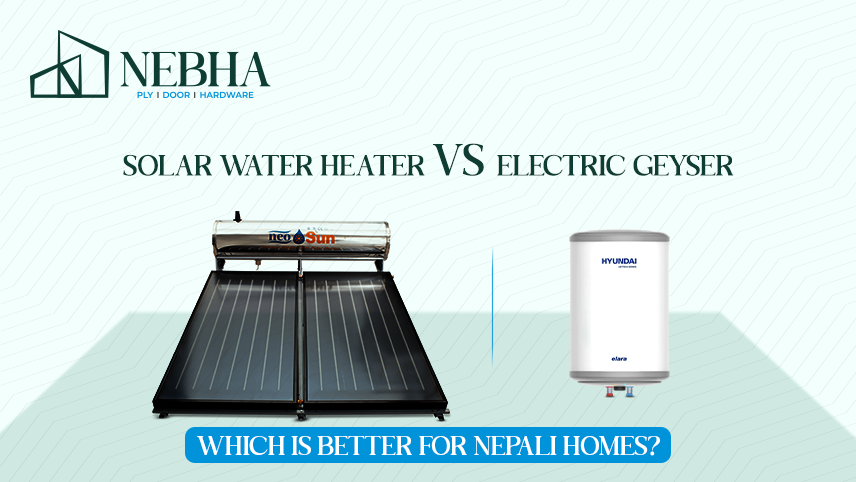
Solar Water Heater vs. Electric Geyser: Which Is Better for Nepali Homes?
There is nothing better than having a hot shower on a chilly morning in Kathmandu. For Nepalese people, the use of hot water in their everyday life is quite common, whether it is used for bathing purposes or dishwashing activities. Choosing between a Solar Water Heater and an electric geyser means more than picking a water heating system off a shelf.
It means finding the option that fits your home, your daily hot water needs, and your budget over the long run. Both give you hot water, but they get there in different ways, and each comes with its own trade-offs.
This comparison covers how each system works, what they cost to run, how they hold up in Nepal’s climate and power conditions, and which one is likely to suit your home better over the years. If you are building a new house or simply tired of guessing at your next electricity bill, the details below should make the choice easier.
Explore quality home solutions with Nebha Traders.
How Each System Actually Works
Before getting into costs and performance, it helps to know how each system heats water in the first place. The basic process behind each one explains why they differ so much in efficiency, installation, and long-term value.
How a Solar Water Heater Heats Your Water
It collects solar energy using solar panels placed on the rooftop. It transfers it into the water stored in the insulated tank. As the power used by this appliance comes from the sun, there is no need for an electrical source of power.
The basic working process:
-The panels placed on the roof absorb heat energy from the sun.
-The heat is then transferred into the flowing water in the system.
-Hot water is kept inside an insulated water tank.
-Water will stay hot for several hours because of the insulation.
-Water that is hot is available through the taps and showers whenever needed.
How an Electric Geyser Heats Your Water
An electric geyser uses a heating element that is installed within the water storage. Upon turning it on, the electricity heats the element, which heats the water. This appliance can function during all seasons, but electricity is required for each instance of heating the water.
Heating Process:
-It is electricity that gives energy to the heating element inside the tank.
-This element is used for heating the water around it.
-A thermostat holds the water at your chosen temperature.
-Insulation in the tank keeps the water hot.
-The element switches back on whenever the water cools down.
Running Costs: Where the Real Difference Shows Up
Most buyers look at the price tag first, but the real gap between these two systems shows up months and years later. An electric geyser is usually cheaper to install. Still, every heating cycle draws power, so it keeps adding to your electricity bill. Households that use a lot of hot water each day tend to feel this the most.
A Solar Water Heater costs more upfront, since the price covers rooftop collectors, an insulated tank, and installation. Once it is up and running, though, sunlight does most of the work, so it does not push your electricity bill up the same way day after day.
With sufficient time, that additional expense at the start may well end up covering itself with savings in operating costs. The amount of time that will be required depends on your family size, usage of hot water each day, and cost of installation.
If there is a consistent requirement of hot water per day, it would certainly result in quicker savings than an irregular requirement of hot water per day. It is better to look at the overall cost incurred over a few years.
Suitability for Nepal’s Climate and Power Situation
The climate and electrical supply in Nepal affect the efficiency of the water heating device. The climate and seasonal variations, along with the stability of the electrical grid in your location, all influence efficiency on a day-to-day basis.
Sunlight Availability Across the Year
Nepal gets plenty of sun for most of the year, which works in favor of solar heating. Spring, summer, and autumn bring enough clear days for rooftop systems to collect the heat they need. Monsoon season is trickier, since clouds and rain cut down on sunlight reaching the panels.
Winter brings shorter days and cooler air too so that performance can dip compared to brighter months. Homes at higher elevations or in foggier parts of the Kathmandu Valley may notice this dip more than homes in the lowlands.
Working Around Load Shedding and Power Fluctuations
One clear advantage here: this system does not depend on the electricity grid for its normal heating process. Even if the power goes out after the water has already been heated, that hot water stays available in the tank. That matters in areas where the power supply is not always steady.
An electric geyser, on the other hand, cannot heat water at all without electricity.
Explore reliable solar water heaters for your home.
Installation and Space Considerations
The right system for you often comes down to your home’s layout. This kind of setup needs rooftop space that gets direct sunlight for most of the day. Nearby buildings or tall trees that cast shade can cut into performance, so positioning matters during installation.
An electric geyser is much easier to install since they are kept inside the house, mostly in bathrooms or other similar areas. They do not require roof installation and do not need sunshine, thus making them suitable for installation in houses that cannot afford to install them on the roof. The size of the tank is significant for both.
A larger family generally needs a bigger tank, and that, in turn, affects how much rooftop or indoor space the installation takes up. If you own your roof and plan to stay put for years, a solar system can be a solid investment. If your installation space is limited, an electric geyser gives you more flexibility.
Maintenance and Long-Term Durability
A well-set solar power system requires minimal maintenance. Dust on the roof panels may accumulate and reduce heat absorption. Hence, cleaning of the roof panels is required from time to time to ensure that they collect heat in an effective manner.
Checking the pipes, valves, and tanks will also be useful in spotting any issues that may arise.
An electric geyser is also easy to maintain, but it never stops relying on electricity. Even a well-kept unit uses power every time someone needs hot water, and that ongoing cost stays the same no matter how long you have owned it.
If you are thinking long term, it is worth weighing both the upkeep and the running costs before deciding.
Which One Actually Makes Sense for Your Household
There is no right or wrong answer in this case. Everything depends on the structure of your house, the volume of water you use in the household, and the cost ratio that you choose.
When a Solar Water Heater Is the Better Fit
This option is usually ideal for homeowners who intend to live in the house for many years and who use hot water on a regular basis. While it involves a relatively high start-up cost, the operating costs are low.
It is useful in cases where:
-There are daily requirements for hot water.
-Homeowners willing to make a long-term investment.
-Families that desire to reduce their monthly electrical bills.
-The roof has sufficient space and solar power available.
-Houses where there is no regular supply of electricity.
When an Electric Geyser Might Still Make Sense
An electric geyser still works well for plenty of households. It is quicker to install, cheaper upfront, and a good fit for homes that do not use much hot water. It will not save you money the way a solar system does over time, but it makes sense when getting set up quickly matters more than long-term savings.
It suits:
-People in rented homes.
-Apartments with no usable rooftop space.
-Households with occasional hot water needs.
-Buyers working with a tight installation budget.
-Homes where a quick indoor setup is the priority.
Why Choose Nebha Traders for Your Solar Water Heater
Picking the right supplier matters as much as picking the right product, especially with a purchase you expect to rely on for years. Nebha Traders has been in business since 2009, supplying genuine products from established global brands to both retail and wholesale customers.
Nebha Traders is a verified seller and is trusted by homeowners as well as architects, engineers, and contractors who specify products for their projects.
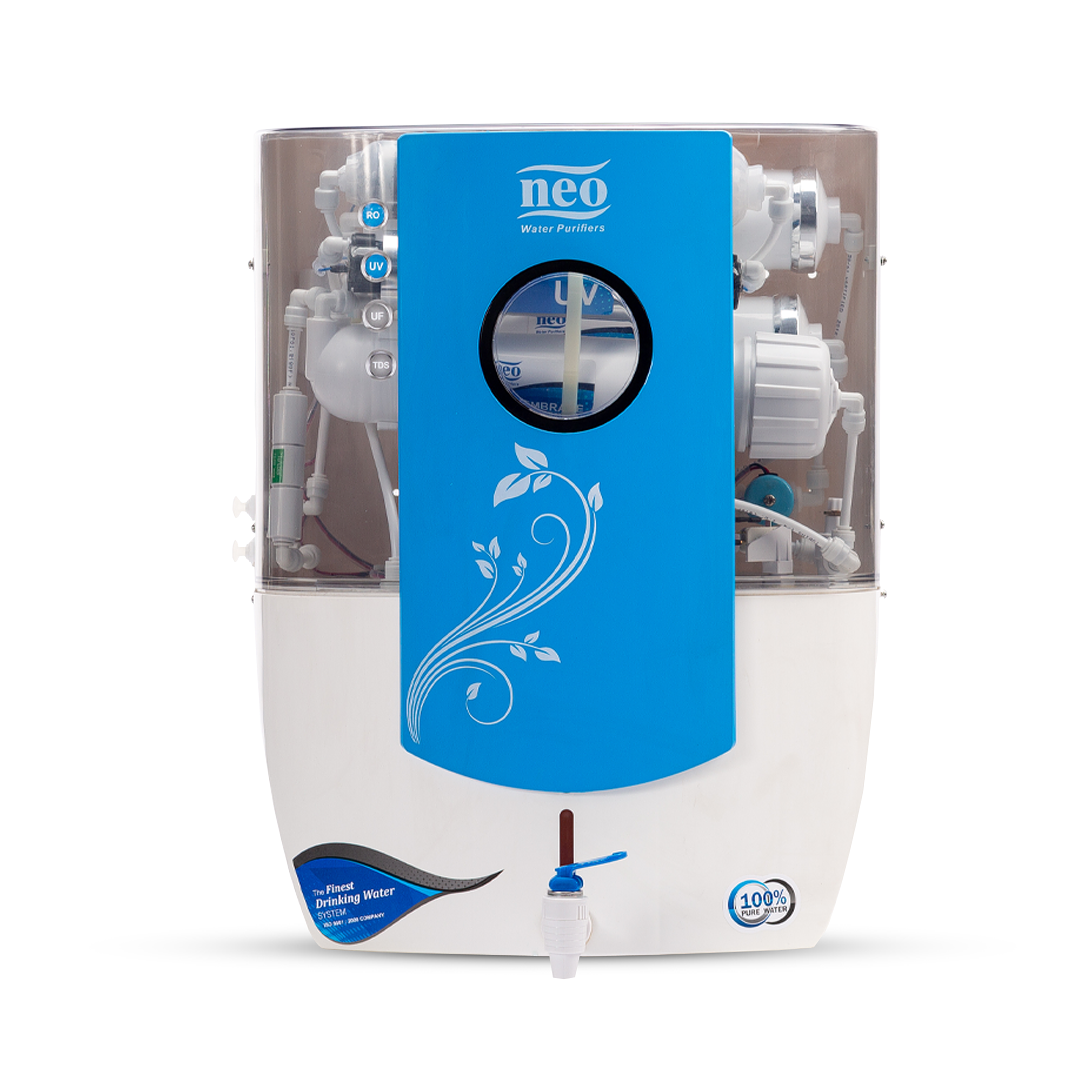
Nebha Traders carries Neo Solar Water Heaters, including the Neo Sun-Copper Panel model, under its dedicated product line. Their team looks at your household’s actual daily hot water use instead of pushing a one-size-fits-all solution.
Whether you are building a new home or replacing an old water heating system, they can help you settle on the right capacity and installation for your property.
Contact Nebha Traders for expert guidance and available models.
Conclusion
The solar system and electric geyser both perform the function of producing heated water but by varying means. The solar system is expensive to install, but in the long run, it will pay for itself through its reduced cost of operation.
The electric geyser, on the other hand, is cheaper to install but will continuously consume power from your electricity bill.
Before you decide, think through your available roof space, how much hot water your family actually needs, and your budget over the long run. Looking past the sticker price is what will get you the option that pays off for your home in the years ahead.
Frequently Asked Questions (FAQs)
Yes, Nepal gets good sun for most of the year, which makes solar water heating a practical choice for many households. Families with steady hot water needs usually come out ahead on running costs over time.
It keeps working, though performance can dip on cloudy monsoon days and during winter’s shorter daylight hours, since less sunlight reaches the panels.
A well-installed, well-maintained solar water heating system can last for many years. Regular panel cleaning and the occasional inspection go a long way toward keeping performance steady.
Yes, the electric geyser is cheaper to install. But it keeps consuming electricity with every use. At the same time, a solar system relies mainly on sunlight to do the heating.
Nebha Traders sells genuine Neo Solar Water Heaters and has been a verified seller of established global brands since 2009. Their team can help you find the right system for your household.