



















B Grade Plywood: Uses, Quality and When to Choose It
Choosing plywood can feel confusing when you are standing in front of several sheets with different names, thicknesses, finishes, and grades. One sheet may appear shiny and polished, whereas the other might be marked on the surface.
The pricing may also be different. In this case, for the homeowner or a contractor, understanding what will suit the particular project is more important than picking up the costliest sheet.
B Grade Plywood is one option worth understanding before making a purchase. It is an appropriate selection for general building purposes, unseen surfaces, backing, and similar uses where a fine decorative surface is not essential. Nonetheless, the term does not mean the same thing in all markets and by all manufacturers.
This guide provides an understanding of what B Grade Plywood is all about, how it stands against other plywood options, and how it can be used relative to other building materials.
The topics covered include surface quality, moisture content, costs, and choosing the right plywood for your project.
Find quality construction and interior products with Nebha Traders for your next project.
Understanding Plywood Grades in General
The grade of plywood normally provides a hint of the quality and aesthetics of the plywood. Based on the market and the manufacturer, the grading process may include the state of the plywood surface, defects, smoothness, quality of the veneer, and the manufacturing process of the plywood.
Such attributes may determine whether the plywood is appropriate for the construction of a furniture surface or not.
Plywood grades are not the only factors that determine performance. Thickness, core construction, adhesive, wood species, moisture resistance, and intended use also matter.
A surface-quality plywood that is suitable for use in a wet area might not be the ideal material for such an application. Similarly, an unattractive-looking plywood might be perfect for an internal construction application. This knowledge definitely makes choosing the right grade much easier.
Where B Grade Fits in the Overall Grading Picture
Plywood grading conventions can vary by manufacturer and region. Some markets use an A-through-D system to describe differences in surface appearance, smoothness, and visible defects. However, buyers should not assume that every product using a letter grade follows one universal international system.
According to Nebha Traders, B Grade Commercial Ply is among their plywood types that are both economical and long-lasting. It is important to note that the grade of the product needs to be interpreted from the retailer’s product information and not necessarily because it adheres to an A to D veneer grading system.
It is necessary to understand this difference for the purpose of making comparisons between grade plywood products supplied by different manufacturers. Never take anything for granted; always check the specifications of the product.
What B Grade Plywood Is Typically Used For
B Grade Plywood is usually suitable for practical uses when toughness, reliability, and economy outweigh having a perfect finish. The material can be helpful for general building purposes and surfaces to be covered by paint or other materials in the future.
Structural and Commercial Uses
B Grade Plywood can be considered for general commercial plywood applications, backing, partitions, subflooring, storage areas, and other construction work where the surface will not be a major visual feature.
Its practical positioning can make it useful when a project needs dependable plywood without paying extra for a premium decorative finish.
However, the word structural should be considered carefully. Not every B grade sheet is suitable for every load-bearing application. If the plywood is part of a structural system, its thickness, construction, tested performance, and application rating should be checked separately from its grade.
Wall Panels and Hidden Surfaces
Wall panels can be another suitable application when the plywood will eventually be covered with paint, laminate, fabric, or another finishing material. It can also be useful behind cabinets and other fixtures where the sheet itself will not remain visible.
This is where B Grade Plywood can provide practical value. When the plywood is not exposed, the small flaws on its surface will not matter at all. However, for the exposed surfaces, there are other plywood types that you could opt for, since they look better.
B Grade vs. Higher-Grade Options
Higher-grade materials tend to emphasize aesthetics and the condition of the wood veneer that has been revealed. A better aesthetic quality may be required in furniture, cabinetry, doors, and other end uses where a nicer surface is necessary.
Hardwood plywood can be used for these purposes, owing to its capability to offer the desired surface and properties of the hardwood.
B Grade Plywood, on the other hand, can make more sense when the sheet will be hidden, covered, or used for a general construction purpose. This does not mean that B grade is automatically weak or poor quality.
It simply means that surface appearance may not receive the same priority as it does with premium visible-grade products. For furniture and decor projects, the finish may be a major part of the final result.
In such cases, a cleaner surface can reduce the amount of preparation needed before painting, laminating, or applying another finish. For hidden construction components, that additional surface quality may not provide enough value to justify the higher price.
Interior vs. Exterior Use
Where the plywood will be installed is just as important as its grade. Indoor and outdoor applications can expose plywood to very different conditions, especially when moisture and changing weather are involved.
Interior Plywood Applications
Interior plywood can be used for cabinetry backing, partitions, furniture components, subflooring, shelves, and general indoor construction. B Grade Plywood may be suitable for some of these uses when its specifications match the application, and the surface does not need to remain highly visible.
For example, plywood placed behind a cabinet does not need the same surface quality as a cabinet door. Similarly, a sheet used as a covered backing material may not need the same finish as a decorative wall panel. Looking at the actual application is an important part of choosing the right plywood.
Some interior projects may also require other board products. For example, fire-retardant MDF can be considered where a project specifically requires MDF with fire-retardant properties.
This is a different material from standard plywood, so the required performance should be checked before selecting either option.
Exterior and Moisture Considerations
Applications that take place outdoors call for greater consideration of moisture issues. Exterior plywood is recommended for applications where there is expected to be exposure to moisture, while waterproof or marine plywood is ideal for severe conditions.
The B Grade Plywood may not necessarily be the correct choice for exposure to the outdoors directly. This depends on the specific type of product, adhesive used, grade level, and the intended purpose.
Where the plywood sheet will be subjected to rain, moisture, or wetness, then the moisture ratings need to be considered.
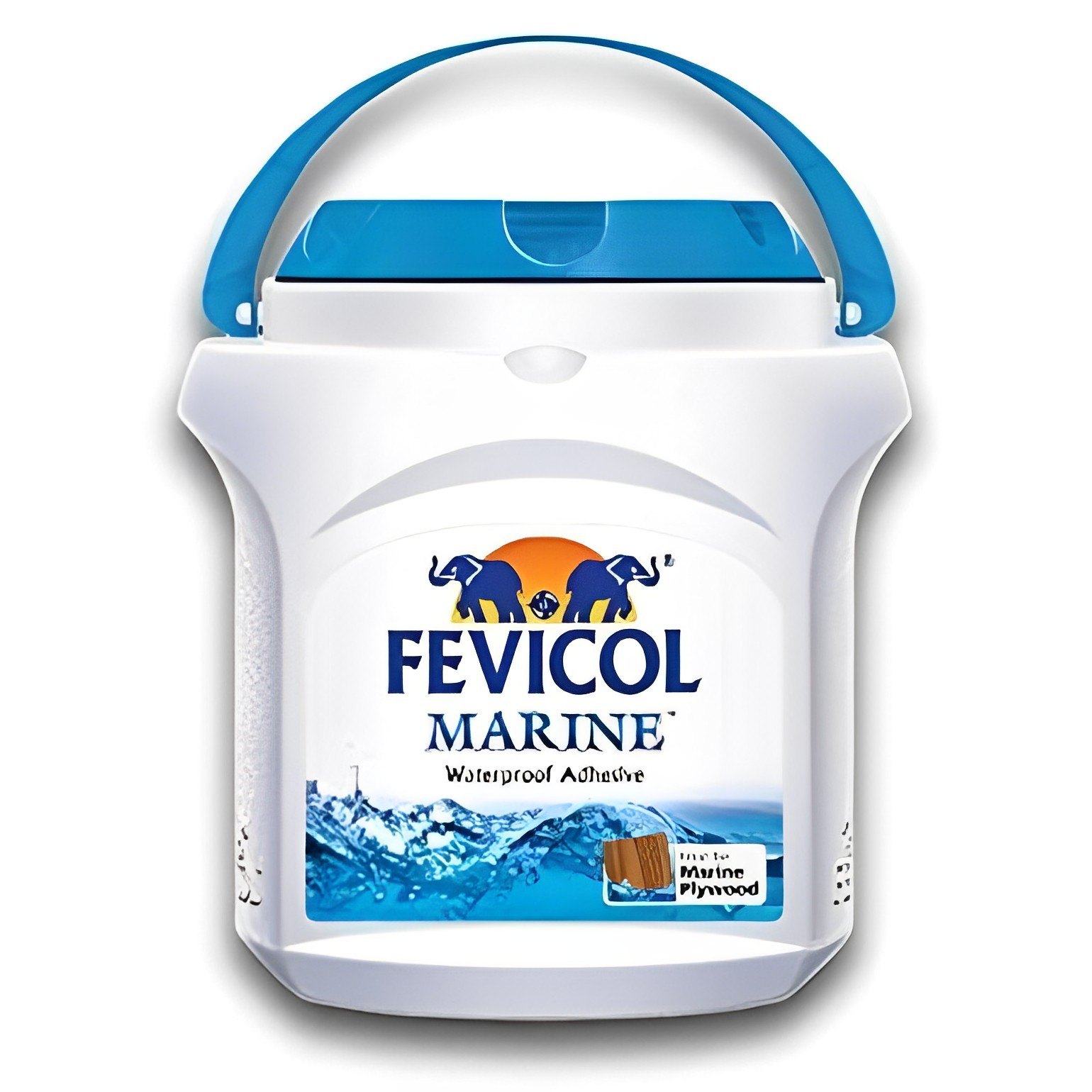
Nebha Traders also lists waterproof and marine-grade plywood among its wider plywood range. These different plywood options allow buyers to consider products based on the moisture conditions of their projects.
Hardwood, Softwood, and Film-Faced Options
Plywood can also differ based on the type of wood used and the way the sheet is manufactured.Hardwood plywood is used in furniture construction, cabinet-making, and wherever both appearance and strength are critical requirements.
On the other hand, softwood plywood can be used for construction purposes and elsewhere when suitable for the job.
The manufacturer process also affects the final characteristics of plywood. Veneer selection, layering, bonding, pressing, finishing, and quality control can all influence the sheet. This is why looking only at the grade of plywood does not give you the complete picture.
Special-purpose sheets are also available. Film-faced plywood has a coated surface and is designed for applications such as concrete formwork and shuttering.
Nebha Traders lists Shuttering Ply with a film face separately from its B Grade Commercial Ply. This distinction shows why buyers should match the product to the job instead of treating all grade plywood as interchangeable.
Matching Plywood to Your Project Requirements
The most useful approach to choosing the right grade is to start with the project rather than the product name. Ask whether the surface will remain visible, whether the sheet will face moisture, how much load it needs to handle, and whether it will receive paint, laminate, or another finish.
For example, a hidden cabinet backing may not need a premium surface. A visible furniture panel may need a smoother finish and better-looking wood veneer.
An outdoor application may require better moisture protection, while concrete formwork needs a product specifically designed for repeated construction use.
Before choosing the right plywood, consider:
- Is the plywood surface going to remain visible?
- Would there be any exposure to water?
- Are there any special strength requirements for the project?
- What thickness is required?
- Will the sheet be painted, laminated, or covered?
- Does the project need a standard or specialty product?
- Would a premium surface actually improve the finished result?
This approach helps with choosing the right grade without automatically selecting the most expensive material available.
Check out some good-quality plywood and get the best sheet for your requirements.
Plywood Pricing: What Affects the Cost
Plywood pricing could vary depending on the grade, thickness, manufacturer, wood type, construction type, and end use. Quality sheets that can be used for furniture could command higher prices owing to the quality of the finish. Generic sheets could provide a more economical choice if the look does not matter.
B Grade Plywood is a viable option in cases where it is necessary to achieve functional performance without having to pay more for an exceptionally smooth surface.
It should, however, not be selected based on cost alone since the cheaper option might fail to offer the necessary properties of moisture resistance, strength, thickness, and finish.
The best value comes from matching the product to the application. Before comparing plywood pricing, compare the specifications as well. Price may also vary according to brand, thickness, availability, and market forces; hence, the exact price should be obtained from the retailer.
Why Choose Nebha Traders for B Grade Plywood
Nebha Traders has been established since 2009 and serves wholesale and retail customers with plywood, laminates, doors, fittings, and other building materials. The company focuses on genuine products and verified sellers while serving a broad customer base.
The plywood group at the company also comprises Grade B Commercial Ply and Kinetic Ply, along with Shuttering Ply with film faces, Splice Ply, and Surya Ply.
A larger variety ensures that customers can enjoy a choice of various plywood options available for diverse purposes. Nebha Traders is also of assistance to professionals like architects, engineers, contractors, and interior designers.
When choosing the right grade, it is important to think about the practical application and not just choose the cheapest or the most expensive sheet. A comparison of the surface finish, thickness, waterproofing, construction, and usage can be useful.
In case you have queries regarding our products or anything related to plywood, contact us at Nebha Traders.
Conclusion
Grade B Plywood is ideally suited to construction, furniture parts, and similar applications where utility and economy outweigh the need for perfect finishing. Its applications may include general interior use, covered areas, backing material, partitions, and wherever the plywood ends up being concealed or covered later.
The key is not to choose based on the grade name alone. Consider visibility, moisture content, strength, thickness, texture, and the project needs before making any purchases.
If your piece of wood is going to be seen on your furniture or decor projects, a higher-quality sheet could be a good choice. If not, you might save money.
In simple terms, choosing the right plywood means paying for the performance and appearance your project actually needs. There is little benefit in paying extra for a flawless surface if nobody will ever see it.
Frequently Asked Questions (FAQs)
Grade B Plywood is normally used in practical construction projects, wherein a high-quality finish is not required. Based on its specifications, it can be used in general construction, backing, partitions, sub-flooring, and other hidden constructions.
Not necessarily. The use of B Grade Plywood in outdoor settings requires the presence of proper moisture and weather resistance. Ensure that you consult the exact product rating of the B Grade Plywood before its use in an outdoor setting.
Higher grades tend to emphasize surface beauty, smoothness, and quality of the wood veneer. It would be more sensible to use B Grade Plywood where the surface is going to be covered up anyway. On the other hand, for furniture and decor projects, a visually appealing surface would do better.
It can be, because B Grade Commercial Ply is considered a cost-effective material for various uses. This will depend on the thickness required.
B Grade Commercial Ply Wood can be found within the Ply Wood section of products from Nebha Traders. Interested customers may inquire about availability and prices of plywood.