



















Edge Banding in Nepal: What It Is and Why It Matters?
The edge banding is a very simple but significant process in the creation of good furniture. Cutting wood panels (such as plywood or MDF) the edges appear rough and open. These jagged edges may become moist, tear, or appear untidy. Moving along these edges in a thin strip of material called Edge banding which coats these edges making them appear smooth and clean. It also aids in safeguarding the board against water and damage.
Furniture made of panels and boards are used in many homes and shops in Nepal. People desire strong and tidy furniture. It gives furniture a better appearance, prolongs its durability, and endures usage.
In this blog, we will explain what edge banding is, how it works, and why it is beneficial, particularly in Nepal. We will also guide you to select appropriate for your needs.
What Is Edge Banding?
Edge banding is a thin material that is applied to the rough edges of board panels, such as plywood or MDF. The sides of the wood panels appear open-ended and rough when cut. The edges are covered with edge banding making the board appear smooth and clean.
It is not the strip of material, but the fixing of the strip to the edge is also known as edge banding. This strengthens the board and makes it alluring.
It is used on the edges of furniture where the panel of wood is visible. In its absence the edges appear incomplete and may wear out more easily. It provides a clean, finished appearance and safeguards the furniture.
How Edge Banding Works?
The wood paneling process of attaching a thin band of material to the rough surface is called edge banding. This renders the edge soft, clean and powerful. The rough cut is covered with the strip to present the board as finished and last longer.
The process is performed simply as follows:
Prepare the board:
The wood panel should be smooth and clean. It may not stick well to dust or rough spots.
Apply glue or heat:
Most commonly done with special glue that melts with heat and glues the banding to the edge of the board. This glue makes a strong bond between the board and the strip.
Stick the banding on:
Press the strip at the edge of the board. You may do it by hand, where there is only a little work to do, or by machine, where there is a good deal. The pressure assists the glue to adhere.
Trim the extra material:
Once the banding has been applied, the strip that sticks out is cut away to make it flat on the face of the board. This renders the edge smooth and clean.
Finish the edge:
The edge can be polished or smoothed to be smooth and clean. The furniture appears professional with a good finish.
Types of Edge Banding Materials
There are various materials for edge banding. They all have the appearance and purpose. The following are the key ones that are used in furniture and cabinets.
- PVC
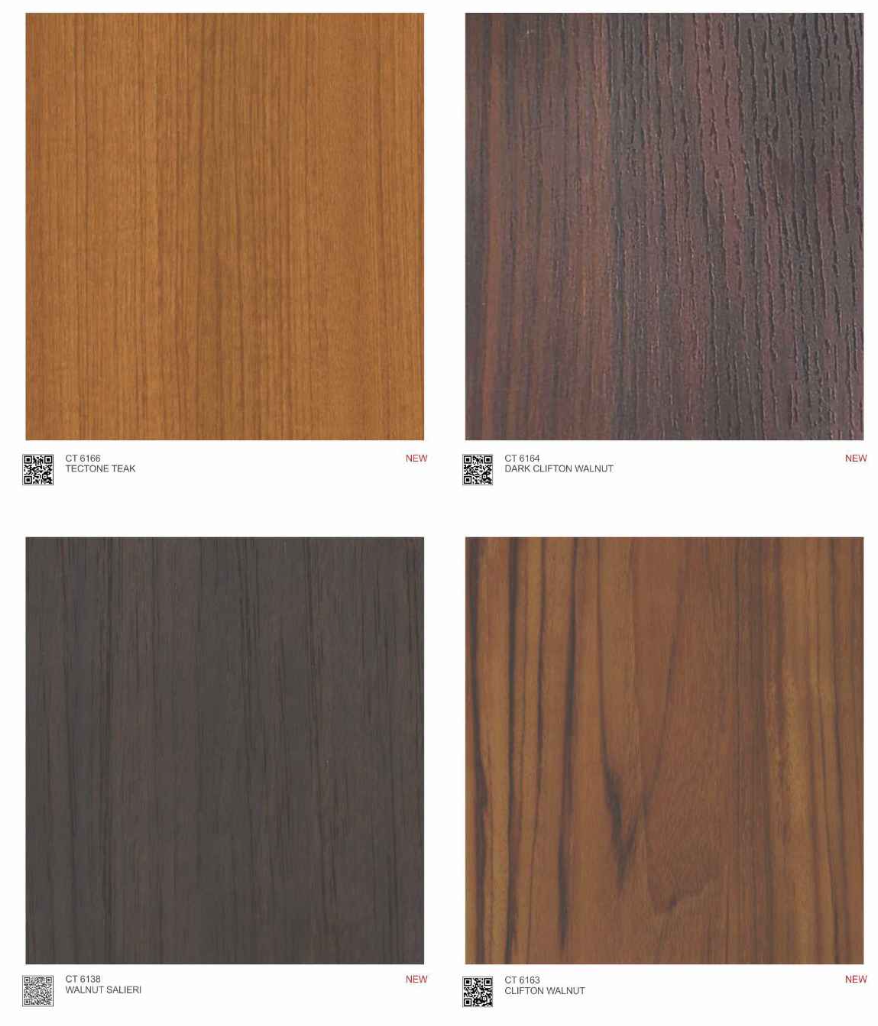
This is the most widespread one that is applied in most projects. It is composed of a type of plastic that is known as PVC. PVC is strong, flexible, and waterproof. It is available in numerous colors and textures to blend with your furniture surface.
- ABS
ABS is another type of plastic material. It resembles PVC and is more resistant to knocks and impacts. ABS is also more eco-friendly, and can be recycled.
- Wood Veneer
This kind is prepared in the real world cut in a thin strip. It resembles a natural wood appearance, and it is more high end. It is more expensive and requires special attention to be installed.
Applications of Edge Banding (Where It’s Used)
It is used in many types of furniture and interior work. Its main job is to cover the rough edges of wood panels so they look clean and stay strong. This makes it useful in places where panel edges are visible.
Here are the common places where it is used:
- Wardrobes
- Tables and desks
- Shelves and bookcases
- Cabinets and drawers
Benefits of Using Edge Banding
Edge banding is not only a way to make furniture look good. It also stabilizes and preserves furniture, making it last longer and in good condition. These advantages are important in practical application, particularly in Nepal where furniture faces wear, moisture, and heavy use.
- Protects Furniture Edges
The raw edge of the boards is covered with an strip. This prevents chipping, cracking, and bump or knock damage. Furniture remains longer and more attractive.
- Keeps Out Moisture
The cut edge can absorb water on wood panels such as plywood or MDF. It covers the edge and restricts the damage caused by moisture. This comes in handy in the kitchen, bathroom and humid weather.
- Makes Furniture Look Better
It provides furniture with a clean and smooth look. It conceals the rough edges and polishes boards. This makes furniture appear professional, neat, and well made.
- Adds Durability
It is used to protect edge and surface, which prevents everyday wear and tear in furniture. Edge banded furniture remains firm over the years.
- Easier to Clean
Smooth cut edges are much easier to clean as compared to rough cut wood. Sealed edges are not so easily stuck by dust and dirt.
Choosing the Right Edge Banding at Nebha Traders
Nebha Traders offers real PVC edge banding rolls that are compatible with most furniture and interior projects. The thickness, width, finish, and project size are the criteria by which you can select the appropriate one.
- Pick the Right Thickness
- Choose the Correct Width
- Select Your Finish
- Choose Roll Length for Your Project
- Think About Where It Will Be Used
Edge Banding Tips & Best Practices
These are some simple and useful tips anybody can observe to achieve good results when applying it.
- Prepare the Panel Edges First
Clean and smooth edges of the panel before edge banding. Lightly sand them in case of rough spots or dust. A sharp edge serves the banding too well.
- Keep Heat Even
To adhere, apply the iron or heat source in a consistent manner. Excessive heat in a single area may burn the banding, or melt glue inconsistently.
- Press Firmly for a Strong Bond
Once the banding has been applied to the edge, press it flat. It can be a roller, a piece of wood, your hand (with care). This causes the glue bond to be strong.
- Trim Extra Banding Right Away
The banding will leave you with an extra on the top and bottom when you stick it. Trimmer, sharp knife, or sandpaper can be used to cut off the additional material to make the edge look nice.
- Work Slowly on Curve
When your brand edge is curvy or rounded, heat the banding more, to bend easily without cracking.
- Keep Tools Clean
Clean your iron or heat tool surface beforehand. The banding will not stick as well in the presence of dirt or old glue.
- Check After Cooling
Once the banding has cooled down, confirm whether or not any side is lifting. Should edges lift, reheat a little and press again until it adheres.
Why Buy Edge Banding From Nebha Traders
By selecting edge banding at Nebha Traders, you will receive authentic products with suitable options and assistance in your furniture work. This is why a lot of customers shop at Nebha Traders rather than at any other place:
- Real, Quality
- Tried and Trusted Hardware Store
- In Stock and Ready to Ship
- Support and Advice
Conclusion
A simple but worthwhile process in furniture and interiors. It gives boards such as plywood, MDF and particleboard a clean appearance and increased strength by covering the rough and open edges. Furniture edges have a tendency to chip, absorb moisture, and wear out easily without it. Adding these sides helps to make furniture last longer and more appealing.
When you have a furniture project or an interior finish being planned, begin by picking the appropriate edge banding, and see what is available at Nebha Traders.
Get expert edge banding solutions in Nepal, contact us today to enhance your furniture finish.
Frequently Asked Questions (FAQs)
Edge banding is a narrow strip of material that is applied to the rough edges of wood panels such as plywood, MDF or particle board. It gives the edge a clean and smooth appearance and prevents it from being damaged.
Edge banding also shields the bare sides against moisture, bumping and day to day wear. It also renders the furniture appear clean and professional.
Some varieties of edge banding include PVC, ABS, melamine, acrylic, and wood veneer. PVC is the ubiquitous and least expensive option of general furniture.
Yes, The majority of PVC and ABS edge banding materials are resistant to water and moisture, which benefits in safeguarding furniture edges in kitchens and bathrooms.
Edge banding can be used over several years with the right material and installation, some last as long as the furniture itself.
Yes, you have an option of edge banding in colours, finish that matches your furniture surface so that the edges blend in very well.
Wipe with a soft, damp cloth, strong chemicals should be avoided to avoid a surface that fades away or becomes damaged.