



















WPC Board vs Plywood: Which Is Better for Nepali Homes?
The carpenter has taken measurements of the wardrobe, selected the design and made the necessary measurements. It is now time to make another very significant choice – which board to use? The choice between plywood and WPC may be a minor detail of the process, but it has an impact on many things.
WPC Board vs Plywood is a common comparison for homeowners planning new furniture or renovating their interiors. Both materials have their own distinctive qualities, uses, and prices. Being aware of such differences will allow you to choose the appropriate material for your house in Nepal without getting bewildered by jargon.
Start With Where the Board Will Go
The best board depends on where you plan to install it. A bedroom wardrobe does not face the same conditions as a kitchen cabinet or bathroom storage unit. Ground-floor rooms may also experience more humidity than upper floors.
Before choosing a material, consider a few things:
- Moisture: Will the board come into contact with water or regular humidity?
- Weight: Will it support heavy items or daily-use furniture?
- Finish: Do you want a laminate, paint, polish, or another surface finish?
- Budget: How much can you spend on the board, fittings, and installation?
All these factors play an important role in reducing your choices. The solution to WPC Board vs Plywood depends on the place and use of the furniture.
Nebha Traders supplies plywood as well as WPC boards, giving customers an opportunity to consider a number of possibilities while working on their projects. This will enable a customer to choose between them considering their application.
Plywood in Plain Words
Plywood is an engineered wood product made by joining thin layers of wood. These layers are called wood veneer, and they are alternated in direction and glued using an adhesive process involving heat and pressure. This construction makes plywood strong and prevents splitting and warping.
Plywood comes in different grades, sizes, and types. Some of the plywoods available from Nebha Traders include Kinetic, Sagun, Surya, Splice, B Grade Commercial, and Shuttering Ply (Film Face).
Plywood can be employed in making wardrobes, kitchen cabinets, shelves, doors, and other kinds of furniture. Carpenters are well acquainted with the material; thus, it is easy to cut, shape, drill, and install. Moreover, plywood allows various types of surface finishing such as laminates, paint, polish, etc.
As one of the commonly used building materials, plywood offers flexibility for different furniture and interior projects. This is the traditional choice in the case of WPC Board vs Plywood, particularly for those homeowners who are familiar with the building material.
WPC in Plain Words
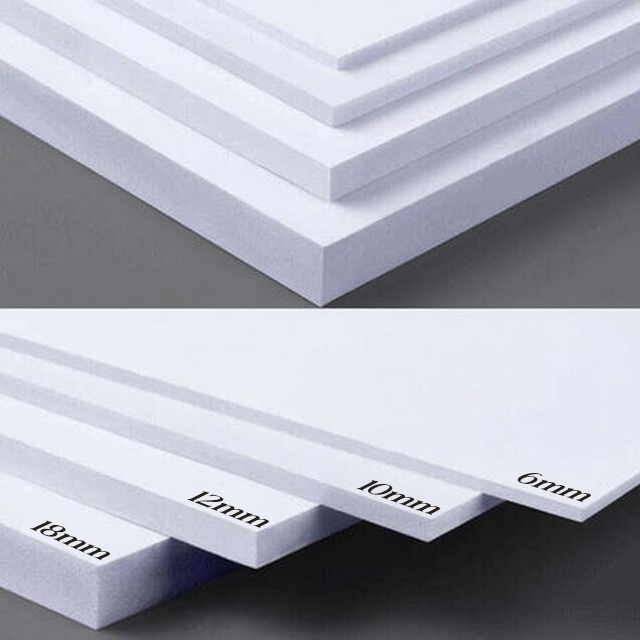
WPC stands for wood-plastic composite. It is made by mixing wood fibers with plastic polymers and other materials. The materials are mixed to make a composite board with an even structure.
You may also come across terms like wood-plastic composites and wood-plastic boards while searching for WPC. Unlike plywood, which comprises natural wood veneers, WPC does not contain any wood veneer layer. It has properties that include water and termite resistance.
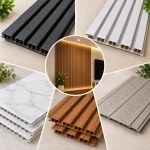
Nebha Traders lists WPC boards and WPC louvers among its available product categories. These materials can be considered for selected furniture and decorative applications. WPC boards can also be used as wall cladding depending on their design and specifications.
The difference in composition is an important part of WPC Board vs Plywood. Plywood consists of several layers of wood, but the WPC Board consists of wood-based material and plastic. Knowing this difference will assist you in making the right choice of either WPC board or plywood for your interiors.
How Each Handles Moisture
Moisture resistance is one of the primary considerations when choosing boards for use in Nepalese homes. Kitchens, bathrooms, and utility rooms might be subjected to humidity, water splashes, and leaks. The monsoon season could add significance to this factor.
Performance of plywood varies according to the grade, type of glue and production method. Normal plywood is prone to swelling and weakening when kept wet for long periods of time. However, special grades of plywood are manufactured for applications where moisture resistance is important.
There are some terms like waterproof plywood, marine plywood, and moisture-resistant plywood used when comparing products. These are the types of plywood that are used depending on the amount of moisture exposure.
The performance of these plywoods still depends on the quality, installation, and maintenance of the product. You should not take all plywood products as waterproof. WPC generally performs well in humid conditions because its composition includes plastic polymers.
It does not absorb moisture like natural wood boards would. It is therefore a viable alternative for certain sections where moisture is a factor. During the monsoon, WPC Board vs Plywood often becomes a question of moisture performance first.
As for the kitchen and bathroom applications, it all depends on how much water and moisture the material can be exposed to; when it comes to this part of the WPC Board vs Plywood comparison, product specifications and installation become as important as the material.
Termites and Long-Term Durability
Termites are a common concern in Nepali homes, especially when selecting materials for furniture and storage. Since plywood consists of wood layers, termite resistance will depend on the type of wood that has been used. Some plywood products might even have protective measures, but you should check with the supplier.
WPC is not favorable for termites due to its wood and plastic composition. This can be a good material to consider when manufacturing furniture for specific interior use.
Nevertheless, termite resistance alone does not guarantee the longevity of the board. Moisture, installation, load-bearing and use may also affect the durability of a building material. Different products may be better suited for particular applications than others.
Another key aspect of WPC Board vs Plywood is durability over the years. When buying, ask about the purpose, treatment, and specifications of the board. This helps you choose a material that can handle the conditions in your home.
Working With the Boards
The way a board is cut, drilled, joined, and finished affects the final result. Plywood and WPC have different working properties, so carpenters may need different methods for each material.
Carpenters and Screws
Plywood is familiar to most carpenters and furniture makers. It can be cut, drilled, shaped, and joined using common woodworking tools. Its layered structure also provides good screw-holding performance when the correct thickness and fixing method are used.
WPC is denser compared to some types of plywood. However, WPC can be drilled or cut, but the type of drill and screws that should be used will depend on the particular WPC product. The screw retention capability of WPC is different from that of plywood.
Your carpenter’s experience should count when making a WPC Board vs Plywood decision. A material that suits the design but requires unfamiliar installation methods may need additional planning.
Finishing
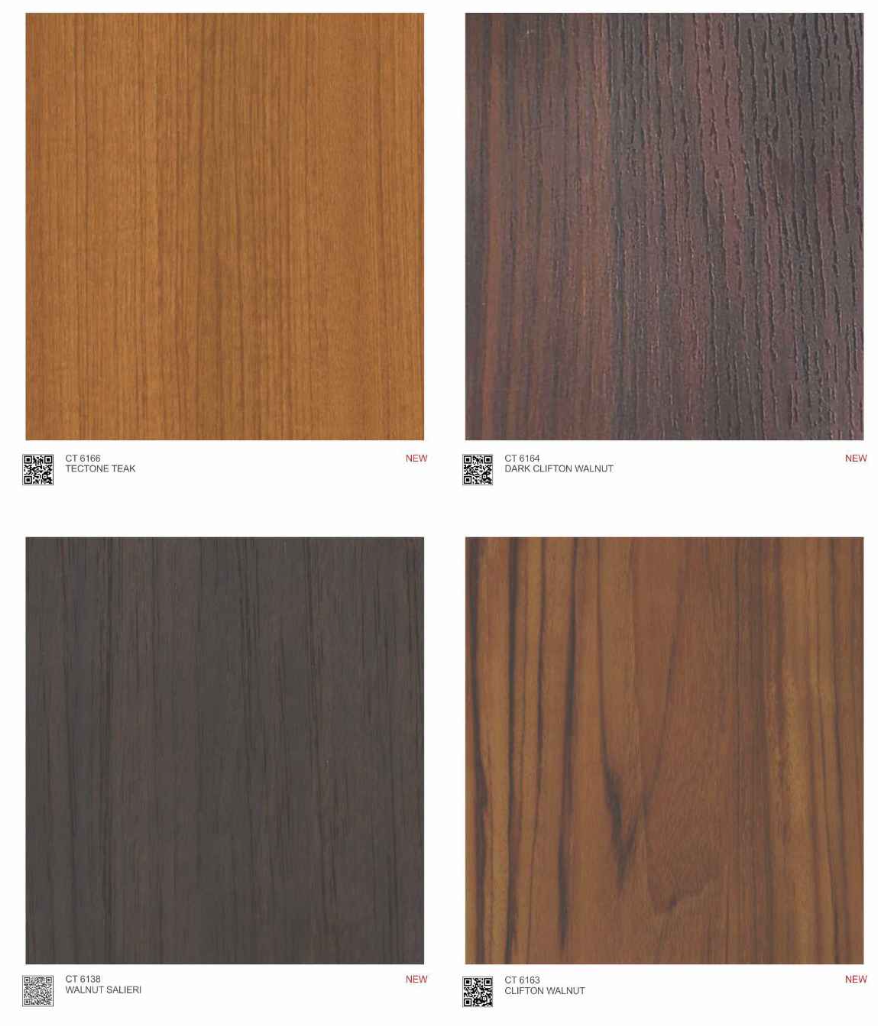
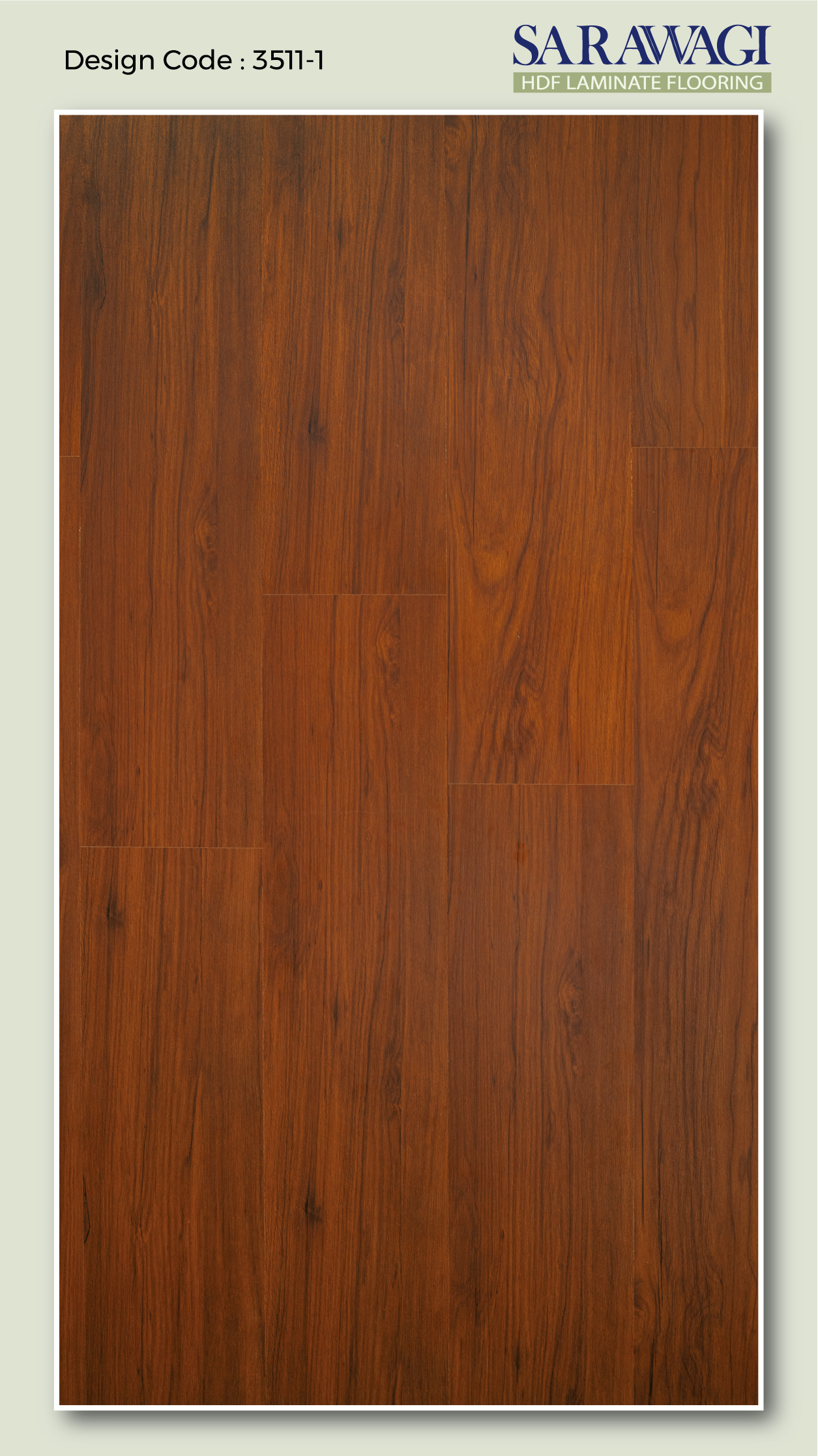
Both materials can be used with suitable decorative finishes. Plywood can receive laminates, paint, polish, and decorative surfaces. WPC may also be surfaced with compatible laminates or other surface materials as well.
Edge finishing is another point to consider. Plywood edges may require edge banding to cover the exposed layers and improve the appearance. Edges of WPC also require appropriate finishing for a neat look.
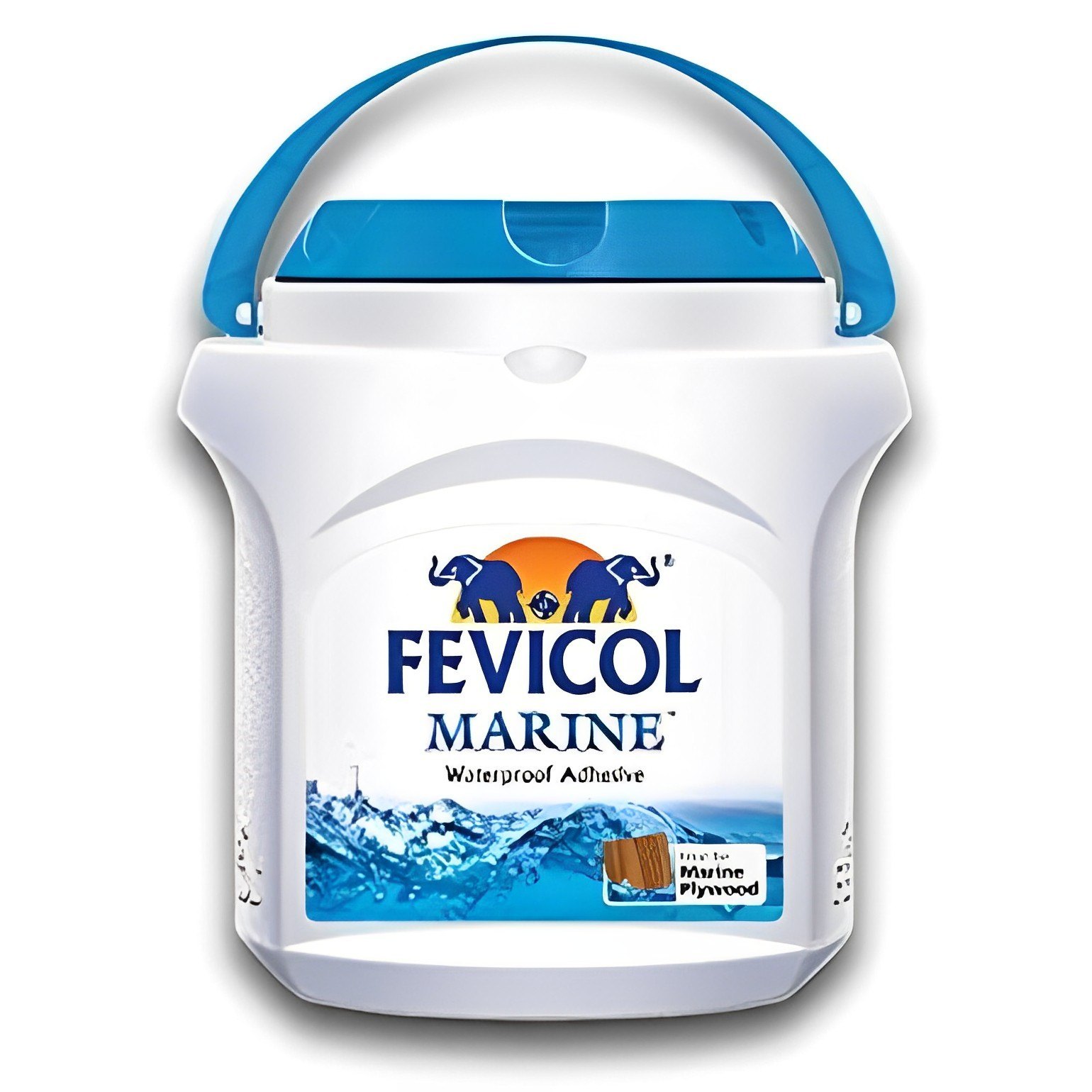
Nebha Traders provides laminates, edge bands, and adhesives such as Fevicol and Nerofix. Nebha Traders also has a total of 17 laminate brands. However, there is a need to ensure that adhesives are compatible depending on the board and finishing materials.
The finish you want is another reason to consider WPC Board vs Plywood carefully. The choice should match your furniture design, the surface treatment, and the installation method.
Whether you are comparing plywood vs WPC for a wardrobe or a kitchen cabinet, ask your carpenter which material will work better for that specific job.
What You Really Pay
The cost of a board depends on its grade, thickness, brand, and finish. Costs for plywood vary according to the commercial, shuttering or specialized types of plywood. The cost of WPC depends upon its composition, density and thickness.
The purchase price is only one part of your total expense. You should also consider the cost of cutting, installation, hardware, laminates, edge finishing, and future maintenance.
For instance, a lower-priced board may not necessarily be the more economical option if it is installed in a location that is frequently exposed to moisture. It may swell up and become damaged, requiring replacement and adding to the total cost of the project.
When analyzing WPC Board vs Plywood, focus on the lifespan and performance of the product instead of considering the cost per sheet. Use various WPC products and plywoods for comparison in the same analysis, but compare WPC and plywoods of similar specifications.
The WPC Board vs Plywood choice made with great care will allow you to prevent unnecessary repair and replacement costs. Inquire about the product grade, its application, and installation before buying.
Matching Boards to Rooms
Different rooms have different furniture and storage requirements. Rather than using only one material for the whole house, think about the situation and use of each installation.
Kitchen and Bathroom Cabinets
Kitchen cabinets could be subjected to humidity, splashes of water, and cleaning. Waterproof plywood or good-quality WPC would be the right choice, depending on the cabinet design and exposure.
Bathroom vanities and storage units face higher moisture levels. WPC could be a suitable solution for certain projects. In the case of choosing plywood, marine plywood would be preferred. Sealing and edge finishing are equally essential.
Wardrobes and Bedrooms
Wardrobes, dressing tables, and bedroom storage units are commonly made with plywood. It is familiar to carpenters and supports different surface finishes. WPC can also be considered for selected furniture designs.
The selection of material will depend on the type of wardrobe to be designed, strength needed, appearance, and budget. Nebha Traders also offers wardrobe accessories that can help complete your storage project.
Doors, Partitions, and Decorative Panels
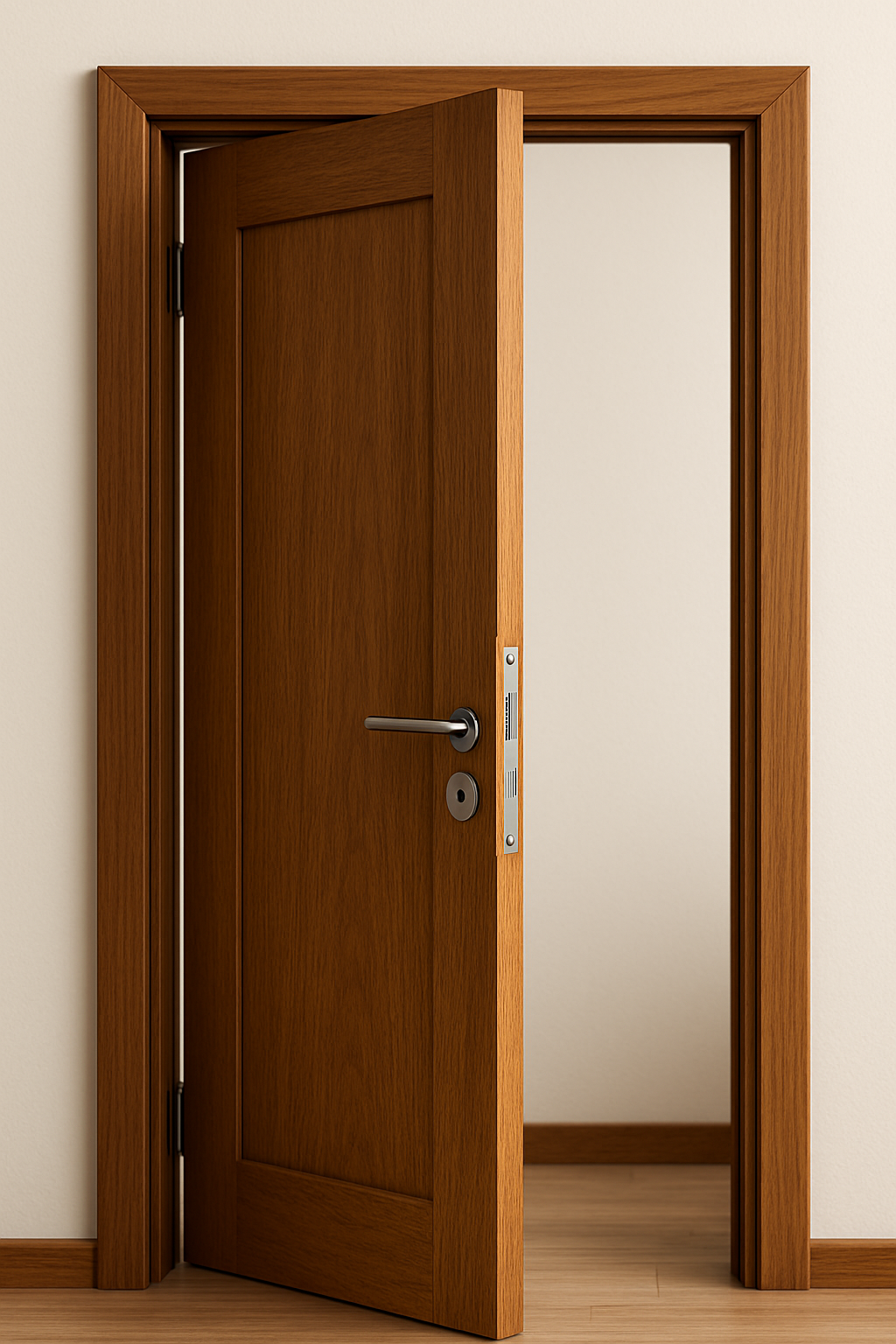
Both materials can be considered for doors, partitions, and selected decorative applications. Plywood provides flexibility for the manufacturing of furniture, and WPC can be used for panels and other interior surfaces.
WPC sheets could also be appropriate for wall cladding depending on their specifications and installation requirements. Take into consideration the looks, weight they should support, and how they will be attached.
The answer to WPC Board vs Plywood can be different in each room. Many homes can use both materials for different purposes, so the choice does not have to be all-or-nothing. A contractor or carpenter can help settle the WPC Board vs Plywood question for each specific project.
Why Buy From Nebha Traders When You’re Weighing WPC Board vs Plywood
Nebha Traders has been serving customers since 2009. The showroom is located at Sairam Chowk, Pepsicola, Kathmandu and supplies various building materials and hardware items to its customers.
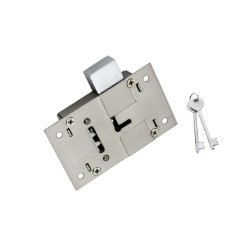
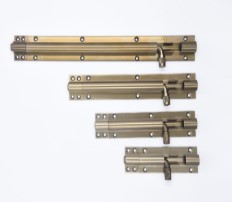
Its product range includes plywood, WPC boards, laminates, adhesives, edge banding, kitchen baskets, locks, and wardrobe accessories. Availability of these products under one roof will make it easier to look into options for furniture and interior designs.
If you are considering WPC Board vs Plywood, the team can help you explore the available products and understand their specifications. You can talk about the thickness, finish, and purpose that you have in mind before buying.
Visit Nebha Traders located at Sairam Chowk, Pepsicola, Kathmandu, to compare the available materials and discuss your project requirements.
Conclusion
The comparison between plywood and WPC depends upon the application purpose of the board, which is influenced by several aspects such as moisture presence, termite resistance, installation process, surface finish, and cost factor.
A careful WPC Board vs Plywood comparison helps you match the material to each part of your home. Plywood offers familiar workability and flexibility for furniture construction.
At the same time, WPC provides an alternative for selected applications where moisture and termite resistance are important.You do not need to use the same material throughout your home. Choose according to the room, furniture design, and product specifications.
For help exploring available options, visit Nebha Traders at Sairam Chowk, Pepsicola, Kathmandu, or call 9801889740 or 9801889750. The store is open Sunday to Friday, from 9:00 AM to 6:00 PM.