



















WPC Panel in Nepal: Types, Benefits and Best Uses
Renovating a home often starts with a simple idea. You want the warm look of traditional wood and natural wood on a wall or ceiling, but you do not want the regular maintenance that real timber can require.
Due to the changing climate of Nepal, along with its level of humidity and the monsoons, the selection of materials becomes increasingly significant in such cases. This is where the use of WPC Panels in Nepal comes into play.
A WPC Panel in Nepal is made from wood-plastic composite, a material designed to combine the appearance of wood with the practical qualities of composite materials. The applications of WPC panels range from interior walls to feature ceilings and wall claddings, or even exterior applications where they find utility.
Knowing more about the WPC Panel in Nepal, how it is manufactured, what types exist, and where it is most suitable for use will allow homeowners, designers, contractors, and builders to select the right WPC products for their projects.
Explore quality home and kitchen solutions with Nebha Traders.
What Is WPC, and What’s It Made Of?
WPC panel in Nepal is constructed using wood-plastic composite, popularly referred to as WPC. This WPC panel entails a combination of wood fibers with plastic. TheWood-plasticmposites are distinct from solid wood as they are a combination of wood materials with plastic.
The resulting WPC product provides an effect similar to wood yet has properties that are suitable for varied construction/decorative purposes.
The production process can include coextrusion deck technology, depending on the specific product and application. This creates a material category that is different from PVC wall panels and solid timber alone.
When selecting a WPC Panel in Nepal, it is useful to check the confirmed material composition and intended application rather than assuming that every product described as WPC has the same construction.
Nebha Traders categorizes WPC boards among its products, meaning that WPC is among the various building materials offered by the company.
Types of WPC Panels
The types of WPC panels available can vary according to their finish, shape, and intended surface. A WPC Panel in Nepal may be designed for walls, ceilings, decking, or fencing. Choosing the right type depends on whether the project is indoors, outdoors, residential, or commercial.
WPC Wall Panels and Interior Wall Use
WPC wall panels are commonly used for an interior wall where a wood-look surface is preferred. A WPC wall can work as a feature wall, background surface, or decorative section in a living room, bedroom, office, or other interior space.
WPC cladding is another term used for wall-surfacing applications where panels are installed to improve the appearance of a surface.
When homeowners are looking out for WPC panels in Nepal, wall panels offer an alternative solution to wood panels and traditional wood. They can also be considered for an indoor WPC wall panel application where the design requires texture and a wood-inspired appearance.
Ceiling Panels
Ceiling panels are another application for a WPC Panel in Nepal. WPC can be used overhead when a project requires a decorative ceiling surface that matches or complements wall finishes. The same low-maintenance advantage that makes WPC attractive for wall applications can also make it suitable for selected ceiling designs.
A WPC Panel in Nepal used for ceiling decor can help create a consistent design across different areas of a room. The available surface finish, colour, and texture should be considered before installation.
Fluted and Louvered Finishes
WPC fluted and WPC louvered finishes add depth and texture compared with a flat panel. Fluted panels can create vertical lines and shadows. In contrast, a flute wall panel can be used as an architectural feature on an interior wall.
These styles allow a WPC Panel in Nepal to become part of the overall interior design rather than simply acting as a covering material. They can also be used around feature walls, partitions, and selected decorative surfaces where an aesthetically appealing finish is required.
Decking and Fencing
Outdoor WPC products include WPC decking, WPC deck tiles, composite deck, embossed deck, and WPC fence applications. These products are designed differently from wall and ceiling panels and should not be treated as interchangeable.
For outdoor projects, WPC deck tiles can provide a practical surface option. In contrast, a composite deck can be used for selected outdoor areas. The embossed deck will offer texture on the surface, while the WPC fence will act as a substitute for conventional fences.
Confirmed Specifications: The Nebha Traders WPC Panel
The WPC Panel in Nepal available from Nebha Traders is listed as a WPC product intended for wall and ceiling decor. The certified product is WPC with a multi-colored coating. The size of the panel is 9.5 feet x 6 inches. The thickness is 17 mm and 23 mm. The origin of the material is India.
These specifications are important when selecting a WPC Panel in Nepal because dimensions and thickness affect how the product fits into a specific project. Buyers should confirm the current availability, colour options, thickness, and other product details before purchasing.
Key Features and Benefits
The confirmed characteristics of this WPC Panel in Nepal explain why WPC can be considered for different interior and selected construction applications. Its water resistance, pest-resistant construction, durable finish, and environmentally friendly positioning are relevant when comparing it with other decorative materials.
Waterproof and Weather Resistant
Water and moisture can be major concerns when choosing materials for Nepal’s homes and buildings. The WPC Panel of Nepal has been certified for moisture-resistant and water-resistant properties. Its water-resistant nature could make it fit for use in places with moisture exposure concerns.
The moisture resistance attribute will prove very useful in areas with high levels of humidity and the occurrence of monsoons.
Unlike the conventional wooden structure, the WPC panel of Nepal is a building material that features natural moisture resistance attributes. Products meant for outdoor purposes need to be suited for weather conditions.
Termite and Borer Proof
Natural wood is sometimes susceptible to termites and borers. The known pest-resistant nature of this WPC Panel in Nepal eliminates this worry because it provides termite- and borer-resistant building materials.
Such a pest-resistant feature could be beneficial for homeowners and project managers in trying to alleviate the issues related to wood-based constructions. It is one of the practical features to consider when comparing WPC with natural wood.
Seamless Pattern and Long-Lasting Durability
The confirmed seamless pattern finish gives the WPC Panel in Nepal a consistent appearance across the installed surface. The product is also noted to be durable and long-lasting, which will cut down on the frequency of replacements.
Where maintenance issues may arise due to continuous use, the WPC panel finish in Nepal ensures low maintenance. However, the performance of the product will rely on whether it is installed and used appropriately.
Eco-Friendly Construction
The WPC Panel in Nepal is positioned as an environmentally friendly option for projects that want a wood-inspired appearance without relying entirely on solid timber. Using composite material can provide an alternative to harvesting solid timber for the same visual effect.
For buyers who consider environmentally friendly materials important, WPC can be included in the comparison. Nevertheless, depending on the manufacturing process, composition, life expectancy, and method of disposal, environmental impacts can differ.
Therefore, when environmental responsibility is important, buyers should take into account the specific information about products.
Surface Finish and Appearance
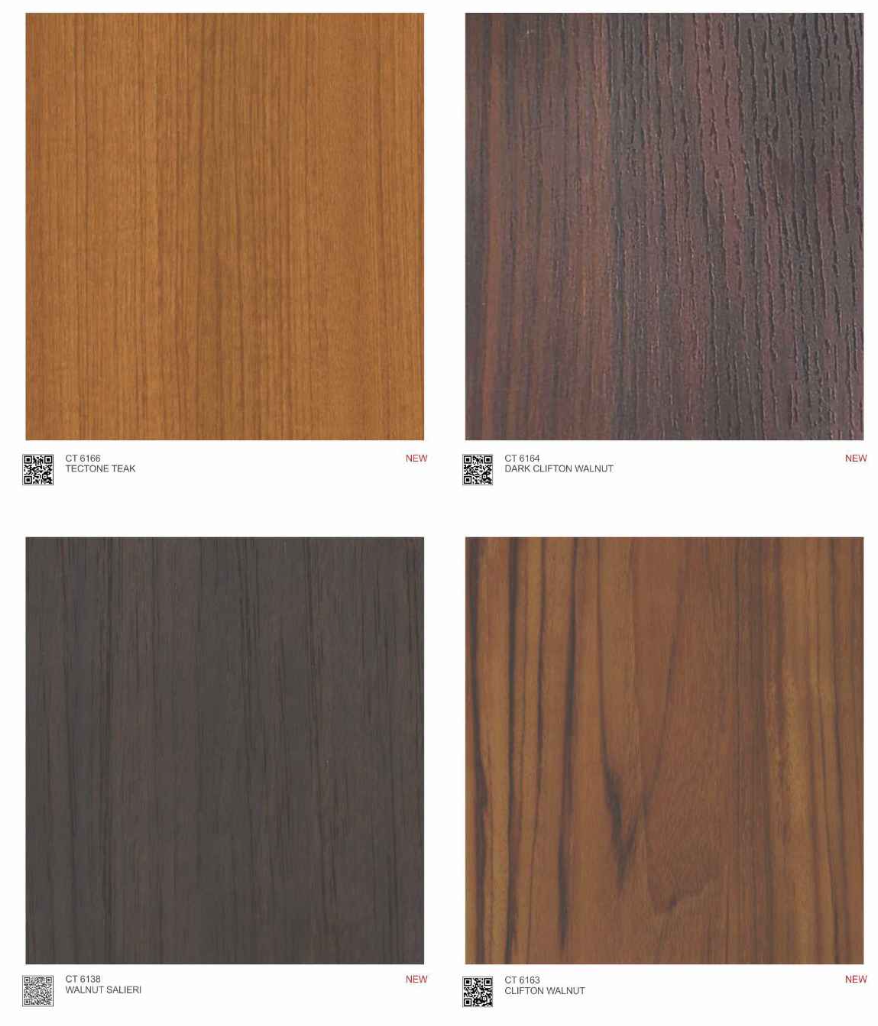
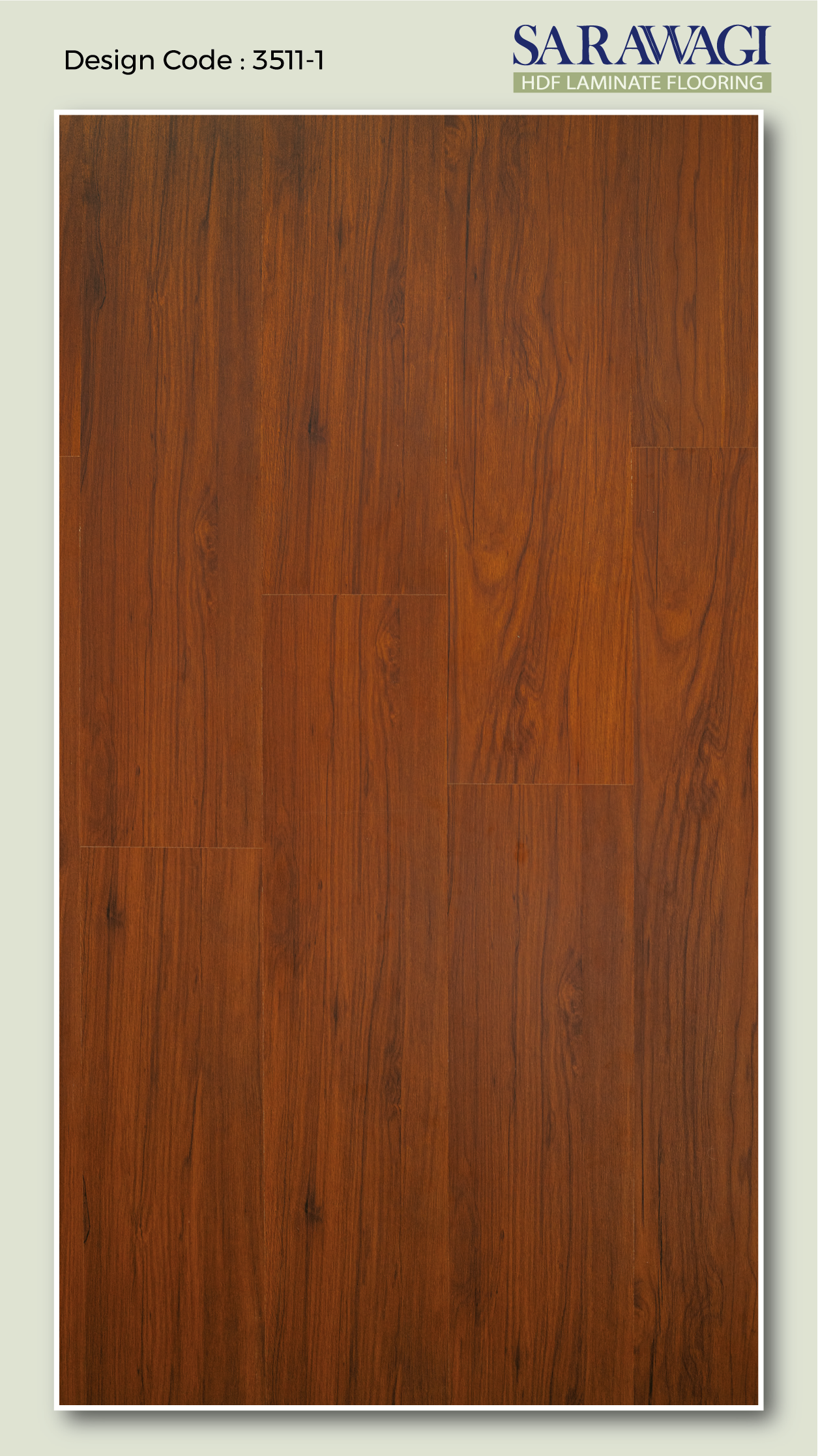
The surface finish plays an important role in the appearance of a WPC Panel in Nepal. Depending upon the product, finishes may consist of wood-like textures and colors that mimic natural wood. Textures mimicking wood grain may result in an appearance similar to wood without the inconsistencies of natural wood panels.
WPC products may also employ the UV coating technique to offer extra protection against exposure to the outdoor environment. This will be especially true where the application of WPC Panels in Nepal is concerned.
The right kind of finish can keep the panel looking great regardless of the weather conditions.The combination of texture, colour, and pattern makes WPC suitable for both residential and commercial spaces.
Interior design projects can be enhanced through aesthetically appealing surfaces that will harmonize well with furniture and other elements.
Best Uses for WPC Panels
A WPC Panel in Nepal can be used in several areas. Still, the right application depends on the panel type and confirmed specifications. Some uses may be more decorative than practical, whereas others will need products that are suitable for outdoor use or areas of heavy traffic.
Residential Interiors
Residential interiors are among the common areas where a WPC Panel in Nepal can be considered. Panels can be installed around TV cabinets, feature walls, and other decorative areas where homeowners want a wood-inspired appearance.
An indoor WPC application can provide an alternative to solid timber and other wall-covering materials. WPC interior wall panels could also complement other furniture items and lights within the house.
Homeowners may evaluate WPC against wood paneling, laminate finish, and PVC wall paneling in terms of appearance and maintenance considerations. To have the feature wall, you should select the WPC wall panels depending on the room’s size, design, desired surface finish, and installation needs.
An appropriate WPC panel in Nepal can assist in providing a decorative look without completely relying on wood.
Commercial Spaces
WPC can also be considered for commercial spaces, offices, retail interiors, and hospitality settings. Such areas may be subjected to more frequent contact and movement than many living environments, which makes durability and impact resistance important considerations for material selection.
Where the specific product provides suitable characteristics, fire-resistant and impact resistance properties can be considered for higher-traffic environments.
However, buyers should confirm these specifications for the exact product before using a WPC Panel in Nepal in a project where fire or impact performance is a formal requirement.
Exterior and Outdoor Applications
Exterior applications require greater attention to product suitability. Exterior cladding can be used where the material is designed for outdoor conditions, while WPC outdoor products should be selected for exposure to sunlight and moisture.
An outdoor-rated WPC Panel in Nepal should not automatically be assumed to have the same performance as an indoor product. Likewise, indoor WPC panels may not necessarily be meant for long exposure to sunlight, rain, or temperature variations.
Buyers need to find out whether the particular product is meant to be installed outdoors. Outdoor applications may include certain selected wall finishes, deckings, fences, and places where water resistance or moisture resistance is desired.
Cost Considerations
The initial cost of a WPC Panel in Nepal can vary according to thickness, finish, design, application, and supplier. WPC panels are usually more expensive initially than regular laminate but can be cheaper than solid wood. The customer needs to consider the material costs relative to the installation, maintenance, durability, and application.
For larger projects, buyers can ask about wholesale price availability directly with the retailer. However, specific pricing details have not been identified within the source material for this report. The best course of action would be to inquire with the supplier regarding the cost and availability.
While making comparisons between WPC panels in Nepal and timber or any other building material, price should not always be the bottom line to consider. Some other factors like the maintenance needed, durability against water, aesthetics, and applicability must also be considered.
How to Install and Choose the Right Panel
To choose WPC correctly, first identify where the panel will be installed. A wall, ceiling, deck, fence, and exterior cladding project may require different WPC products. The intended application should be matched with the manufacturer’s confirmed specifications.
For the specified WPC Panel for Nepal, there are two thicknesses, namely 17mm and 23mm. Customers have the ability to decide between them on the basis of their project. The requirements of an interior decorative use case can be quite different from those of exterior applications.
Before you install WPC, check the surface condition, measurements, panel dimensions, installation method, and required accessories. It is also important to determine how much is needed before making a purchase.
In choosing the WPC wall panel material, think of the finishes, colours, thicknesses, position, and exposure to moisture and weather conditions.
Choosing a WPC Panel in Nepal based on the actual project rather than appearance alone can help avoid using an indoor panel in an outdoor setting or selecting a product that does not match the project’s performance requirements.
Why Choose Nebha Traders for WPC Panels in Nepal
Nebha Traders has been in business since 2009 and provides various products in terms of hardware, construction, and interiors. Its website currently lists WPC boards within its product categories. Nebha Traders also describes its products as genuine and positions itself as a verified supplier.
For consumers seeking out a WPC Panel in Nepal, this is one way of acquiring WPCs from a dealer that would also cater to other construction and interior needs. The products are sold by Nebha Traders in wholesale and retail markets and can prove to be convenient for both individual home buyers and larger projects.
Nebha Traders also highlights customers and testimonials from professionals including architects, engineers, contractors, interior designers, and builders. This broader customer group can be relevant to buyers who are involved in the construction of houses and commercial interiors, renovations, etc.
This guide describes the verified WPC Panel available in Nepal in multiple color options, with dimensions of 9.5 feet by 6 inches and is available in thicknesses of either 17mm or 23mm and originating from India.
Those interested in purchasing can contact Nebha Traders to ascertain the availability and further details concerning the prices and colors.
Please get in touch with us at Nebha Traders to discuss your product requirements.
Conclusion
A WPC Panel in Nepal offers a practical alternative to solid wood for selected walls, ceilings, decorative surfaces, and outdoor applications. The mixture of its wooden appearance, ability to withstand moisture and pests, durability, and maintenance-free characteristics could be used in contemporary buildings.
The right WPC Panel in Nepal should always be selected according to the intended application. Indoor decorative panels, WPC decking, WPC fence products, and exterior cladding may have different specifications.
Buyers should also compare thickness, finish, moisture exposure, and installation requirements before making a purchase.
For anyone considering a WPC Panel in Nepal, the goal should not simply be to choose a panel that looks like traditional wood. The better approach is to match the material, thickness, finish, and application with the actual requirements of the project.
Frequently Asked Questions (FAQs)
The WPC panel is made from Wood Plastic Composite, which consists of wood fibers and plastic. This creates a composite material that gives the look of wood with properties suitable for various indoor and outdoor uses. Composition may differ from one product to another, and hence customers need to be aware of the exact composition of a WPC panel in Nepal before buying.
The WPC Panel in Nepal discussed in this guide is described as waterproof, moisture-resistant, termite-proof, and borer-proof. Such features make this material handy in situations where water resistance and pest-resistance qualities are essential. However, one must always confirm the specifications of the particular WPC material prior to installation.
The WPC panel discussed from Nebha Traders for Nepal can be obtained in 17mm and 23mm thickness. Depending on usage, the surface to be installed on, installation needs, and exposure, the proper choice should be made. Lighter interior decorative projects would have different demands compared to the exterior or commercial ones.
Yes, WPC products can be used for both indoor and outdoor applications. However, the particular product should suit its intended environment. Indoor WPC panels cannot be automatically chosen for outdoor environments. Products that have been designed for WPC outdoor use should be considered for such an environment and tested for their resistance to water, sunlight, and other weather conditions.
The products offered by Nebha Traders include WPC boards, and the company has been active since 2009. Also, it claims to offer genuine products and acts as a verified supplier. Consumers who are seeking a WPC panel in Nepal may approach Nebha Traders to inquire about the availability of such panels and their prices.